QD-OLED vs WOLED: Your Room Light Decides, Not the Spec Sheet
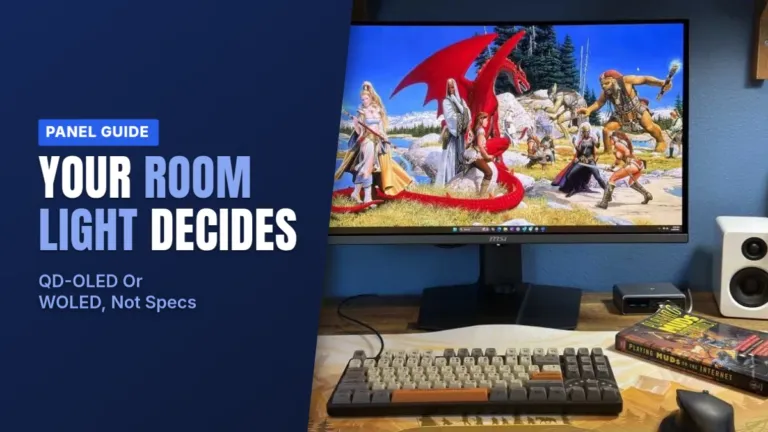
QD-OLED blacks drift purple the moment lights come up. Tandem WOLED bands below 1 nit. Burn-in ignores both. What an OLED computer screen actually owes you.

Gaming monitor guides that explain panel types, refresh rates, and response times in plain English, so you can pick the right screen.
QD-OLED blacks drift purple the moment lights come up. Tandem WOLED bands below 1 nit. Burn-in ignores both. What an OLED computer screen actually owes you.
AOC’s 24G11ZE lists 200Hz native overclocked to 240Hz and never prints a price. QD-OLED ships 2.35M units in 2025 and won’t commit to burn-in. Pick carefully.
A 500Hz 27-inch QD-OLED now costs $599.99. But OLED still drops to 480 nits at 10% window and still fringes text. Here’s which panel your room actually allows.
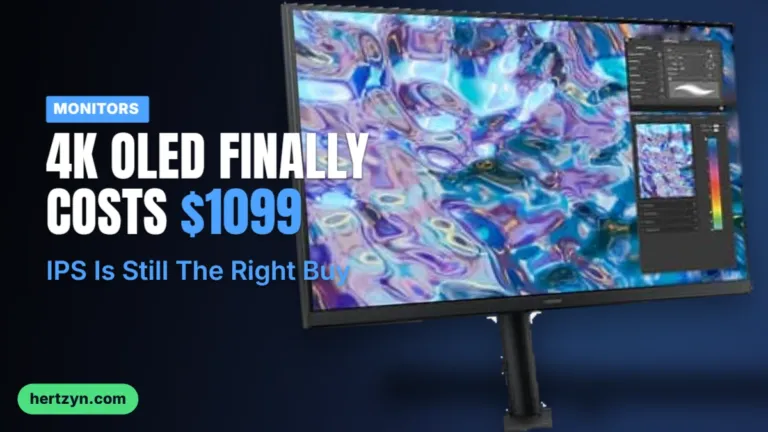
Sub-0.1ms pixels and infinite contrast still cost you a black desktop and a hidden taskbar. Why 27-inch 1440p IPS is still the safest monitor upgrade for 2026.
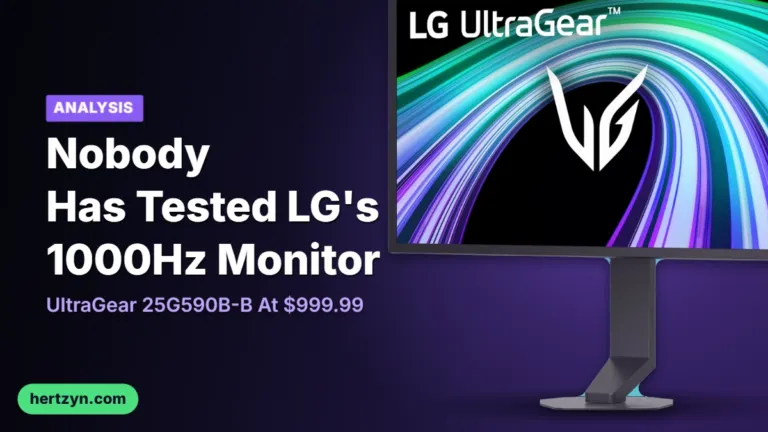
LG’s 25G590B-B hits 1000Hz at 1080p, but only over DisplayPort 2.1 UHBR 20. The only motion proof so far is one forum photo. Here’s who should actually buy it.
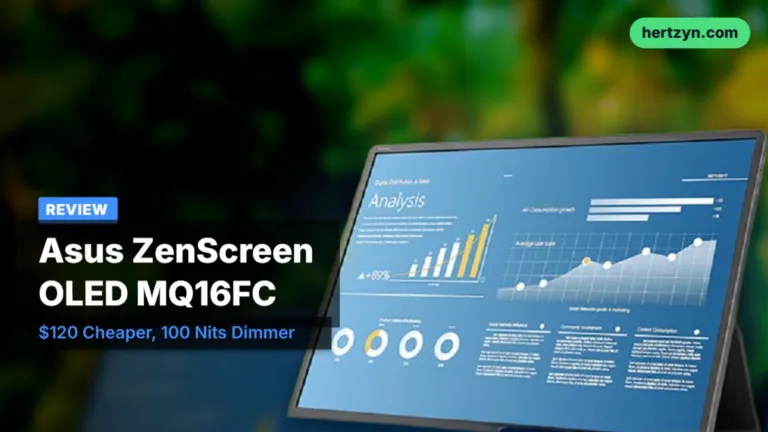
At $279 the MQ16FC undercuts its own $399 predecessor by $120, but ceilings at 300 nits. The real numbers on brightness, 65W pass-through and cheaper OLED rivals.
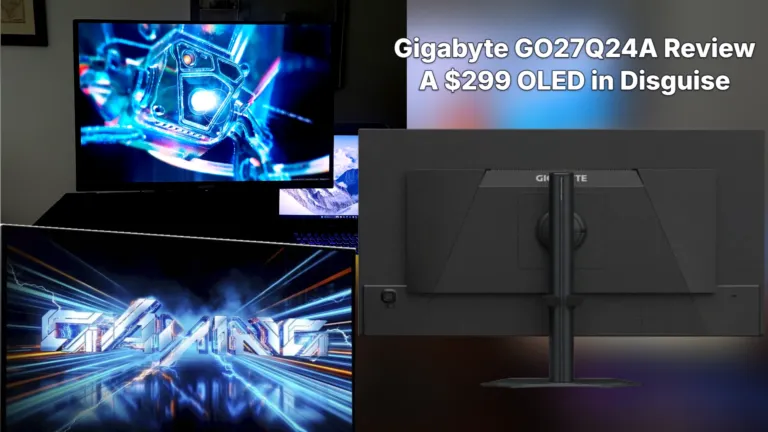
Read our Gigabyte GO27Q24A review. We break down real street prices from $299, 240Hz QD-OLED motion clarity, and whether the 200-nit HDR limit is worth it.
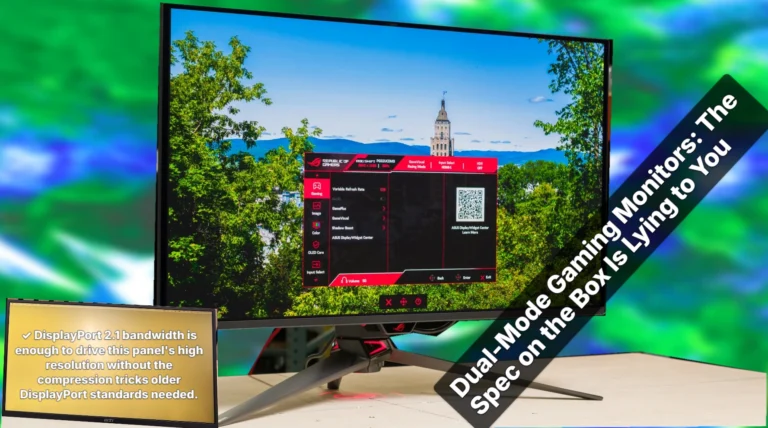
0.03ms OLED vs 1-5ms Mini-LED, and a 720Hz panel that only hits 720p. Before you buy a dual-mode monitor, check which headline number you’re actually giving up.